
Each month, we are bombarded with articles and videos with headlines that say: “Top Trends of the Fall” or “ 10 Must-have Bags of Summer,” and let’s not forget, “ These Are the Current It Girl Running Shoes of the Year.”
The content presents us with curated taste, which pushes us into conformity. If you buy the trendy bag, you too will be the cool girl. We can all be cool girls one purchase at a time– one trend list a day.
At best, these lists are a frivolous collection of information used to help us stay current in today’s fashion ecosystem.
But there is something happening behind the scenes that the untrained eye cannot see. The content is no longer centered around trusted sources, but instead serves as transportation for Corporate America to continue to fill their pockets.
The History of Trend Forecasting
Trends weren’t always used in this way. It wasn’t until the 1970s, Generation X, that the industry started to see trends as a tool.
 During WWII, adults were sent off to war and the youth replaced them in the work force– forcing them into 12 hour shifts at industry mills, or full work days on the field in the swelling sun. The intangible weight of war was wearing their spirits down. Hope emerged after the war, at the start of the 1950s. The youth sought freedom– a freedom that relinquished them from the weight of the world. The new found liberation shaped a unique lifestyle and demographic and there was born a new customer–the teen.
Companies took note of the rise of the teen and adjusted their production methods. They now had younger customers, not only ready to spend money, but also craving a different lifestyle–the perfect mix for any “we want to rule the world” company. During the 1960s, we see the ready-to wear industry make strides for cheaper mass production in the form of :
- Standardized sizing, which helps produce clothing faster.
- New synthetic fabrics, making it cheaper to get clothing made and help with the acquiring fabrics.
Mass production was the last step necessary to make the trend forecasting market, not only accessible, but in demand.
It wasn’t until the 1980s, that trend forecasting companies started to offer their services to companies. Through research and data, trend forecasting companies proved to help reduce the financial risks fashion brands were making.
Trend Union, one the oldest trend forecasting brands, extended their services to predict lifestyle shifts, color, and textile trends. Brands leveraged culture to elevate their own agenda and push it to consumers.
At its modern origin, fashion trends were always seen and created as tools of profit.
How Do Brands Make Money From Trends?
In 2020, America underwent the COVID-19 pandemic and police brutality. In Europe, the UK officially decided to leave the European Union. The harshness of the world was felt, and the emergence of softness culture began. The mindset of healing, self-care, romancing your life, and entering your Soft Girl Era became popular and this societal shift was the beginning of the Coquette trend.
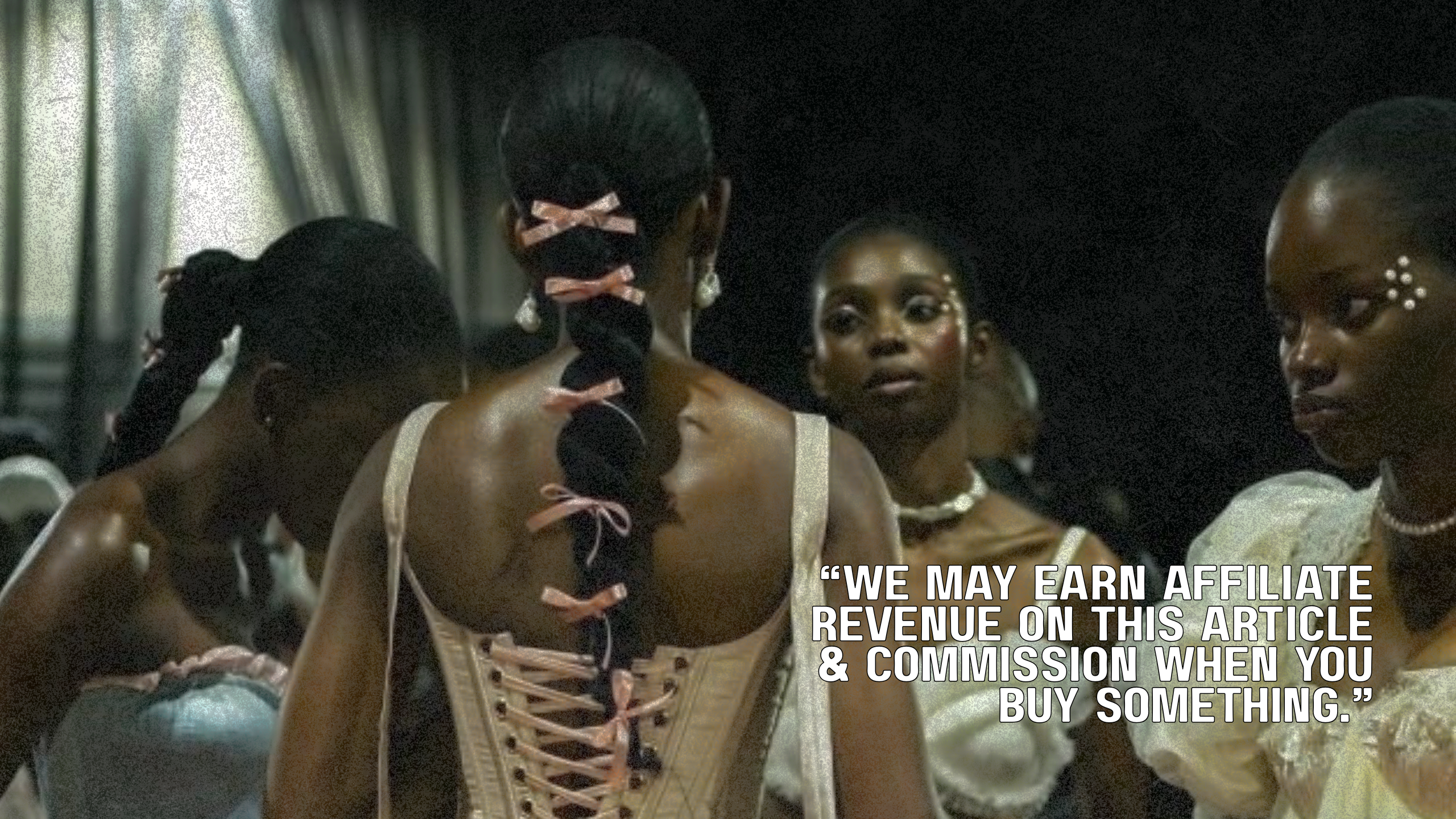
Coquette is defined as, a woman who flirts. It is a romantic trend defined with bows, soft pinks, ribbons, ballet flats, and lace and tulle fabrications. As the trend grew in the 2020’s, we saw articles such as, “Coquette Core Trend: How to Wear” or the overnight brands like Loveshackfancy gain unprecedented popularity. Often times this content was sponsored and you can spot unlikely brands investing in the trend. The investment was the catalyst to it growing and it somehow hit all demographics, and made its way to our closets, but this payola way of creating fashion isn’t natural.
As the barrier to access erodes, the seize of current cultural trends for profit transformed into confirmation management through the clickable headlines we see today. A brand invests in a trend, said brand pays multiple writers and creators for creation of the content (this could include paying celebrities to wear it in public and for staged paparazzi photos). After the trend is amplified, it becomes credible, signaling to consumers that its worth buying. The brand reinvests, and trend forecasts marketed for the “future” are simply present-day style staples
Trend Content No Longer Evolves With Culture
 It’s safe to say that most published trends are already at the end of their lifecycle. Trend content is no longer about the organic nature of culture. It is instead an engine needed to benefit receipts and lower risks. The trends you are looking for are not in videos or in articles.They are in the neighborhood grocery store where you run in for a quick trip, or when you are in your bestie’s closet before a night out. The patterns you witness in your natural environment are the trends worth adapting.