
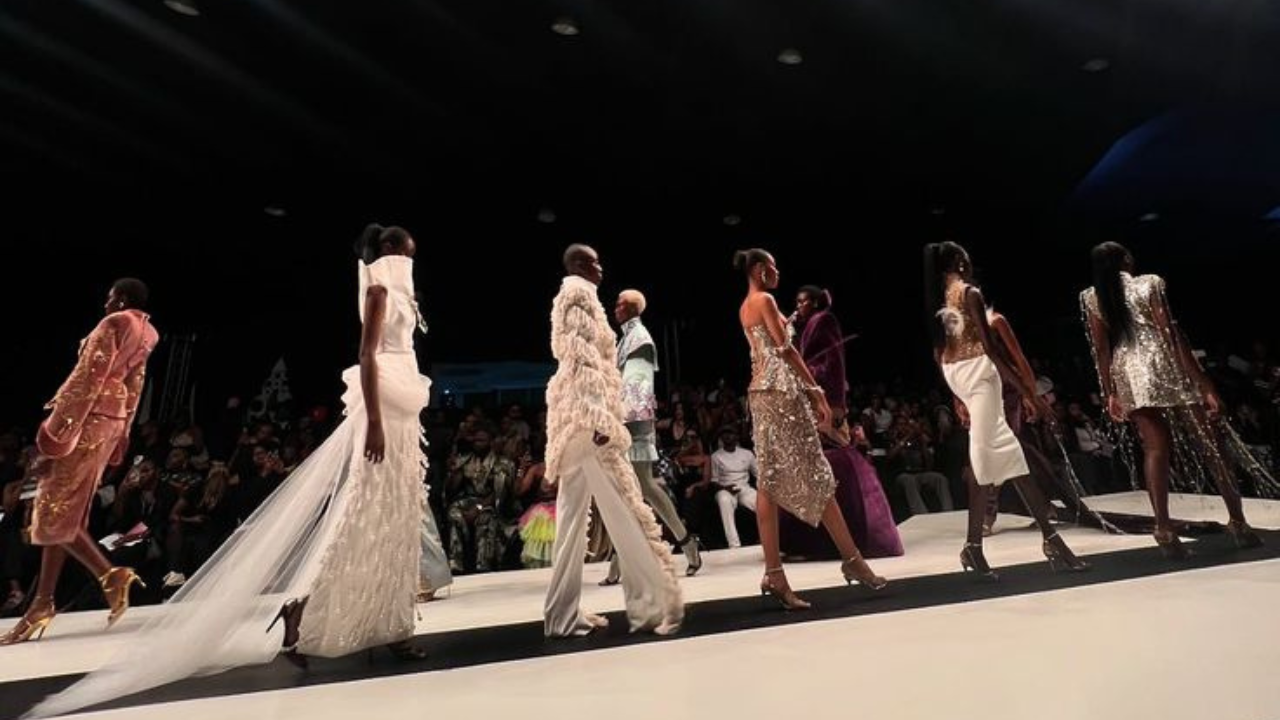

With a standard 6-month production to retail schedule, February and September are critical months for the fashion calendar. In February, brands present their Fall collection for the current year. In September, they unveil Spring collections for the year ahead. Both months are home to New York Fashion Week. The weeks serve as a source of inspiration and understanding of the industry’s current climate. However, each year the question remains: Is NYFW still relevant or has it lost its cultural authority? If you think NYFW is dead, you’re simply not paying attention.
As fashion has grown, some of the elements of fashion week have evolved, but that doesn’t point to NYFW’s death, it acts as a mirror to the values of American culture.
For decades, critics have questioned America’s willingness to elevate celebrities and influencers over fashion experts. Fashion journalists and buyers made the information digestible for their readers and palatable for their customers, so when the front rows at fashion shows changed, so did the zeal of NYFW. The front row is now centered around engagement. Which show can get the most content? Which celebrity has the most buzz? But this shift isn’t a signal of NYFW’s demise; it’s a reflection of the community’s current values. We have to look beyond the politics and dial into the fabrication techniques, the hidden design details that tell the American story.
Understanding American Fashion

Since its inception, American Fashion has been rooted in practicality. Before the 1920s, most women looked to Europe for style inspiration–home to influential fashion figures Coco Chanel, Paul Poiret, Elsa Schiaparelli, and the Royal Family. However, during the 1930s, Ready to Wear designers in New York City introduced styles that defined the American way of dressing. The garments were special due to their functionality – a stark contrast from t the elaborate European wardrobe. The European woman would change after each occasion; the American woman found this frivolous, so designers created versatile clothes that could be mixed and matched for any occasion. Designers in Hollywood were the exception– crafting intricate pieces to be simplified into sewing patterns for the everyday woman.

The distinction of expression versus practicality marked the divide within the fashion markets, rooted in what the customer finds morally valuable. That simple divide is solidified in the 1930s and further pushed when Dorothy Shaver, the Vice President of Lord & Taylor, featured New York City Designers in the window displays at the height of the Great Depression. This is designer nationalism.
By 1949, this “American Designers Movement” set the status quo for casual but elegant sportswear we see on today’s runways.
New York Fashion Week Today
New York Fashion Week has a long-standing appreciation and tie to practical, ready-to-wear designs. It may not deliver the daring, exaggerated designs we see in Milan or Paris, but the precision in tailoring and intention in utility allow even the most wearable pieces to tell a story on the runway. Showing at NYFW is a dream for so many designers, and attending is the highlight for a myriad of fashion enthusiasts, so if you’re bored of NYFW, the clothes are underwhelming, and the shows feel lackluster, you’re overlooking the craftsmanship built on American legacy. Because NYFW isn’t dead, you’re just not looking close enough.